
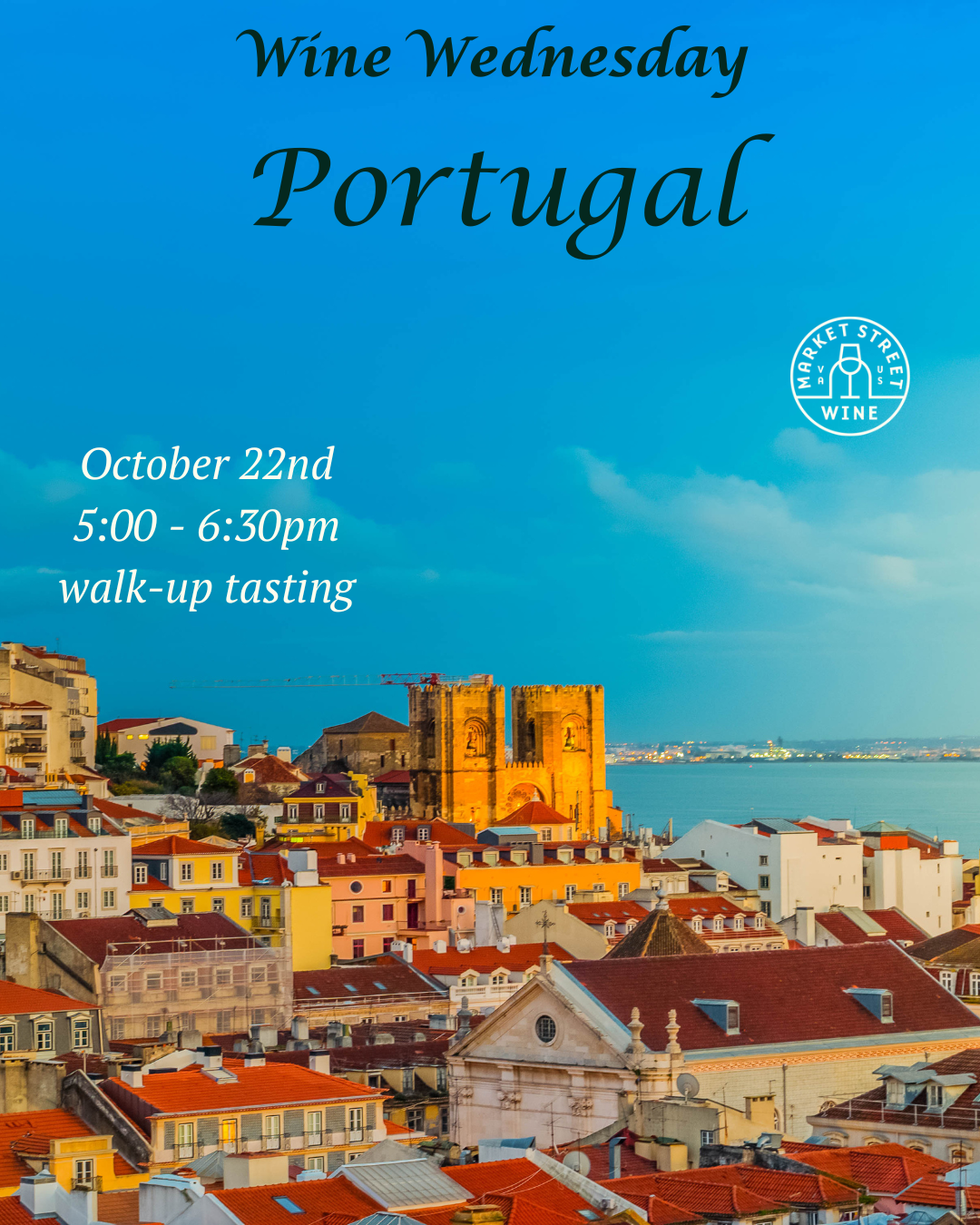
Wines of Portugal
Portugal’s wine history stretches back, possibly, to 2,000 BCE, when the mysterious Kingdom of Tartessos is thought to have used wine as currency. For several centuries, Portuguese wine became the football of colonizers. (Although, to be thorough, even Tartessos itself is thought to have been the product of Phoenician and Greek colonization.)
First, Roman invaders in the 2nd century BCE kicked wine production into high gear as the empire was consuming so much wine that it needed its colonies to grow grapes and vinify them to meet demand. Interestingly enough, wine production continued under Moorish occupation from the 8th to 12th centuries despite their religious inspired ban on vine growth and alcohol creation. European Christians officially formed the country of Portugal in 1143 and had fully ousted the Islamic north Africans by 1249. For the Catholic Church, wine was part of their doctrinal dictates, so Portuguese wine went from being a tolerated sin to being a blessed practice.
Today, Portuguese wine is finding new breath as more and more winemakers turn away from French and Italian grape varieties to native grapes. Like Italy, it has wine regions the length of the country from the Dão, Douro, Vinho Verde, and Porto in the north to Tejo in the country’s center to Alentejo in the southeast corner.
This Wednesday, we pour some wines from Portugal. This tasting is another of our free, walk-up tastings that you can join anytime between 5:00 and 6:30 PM.